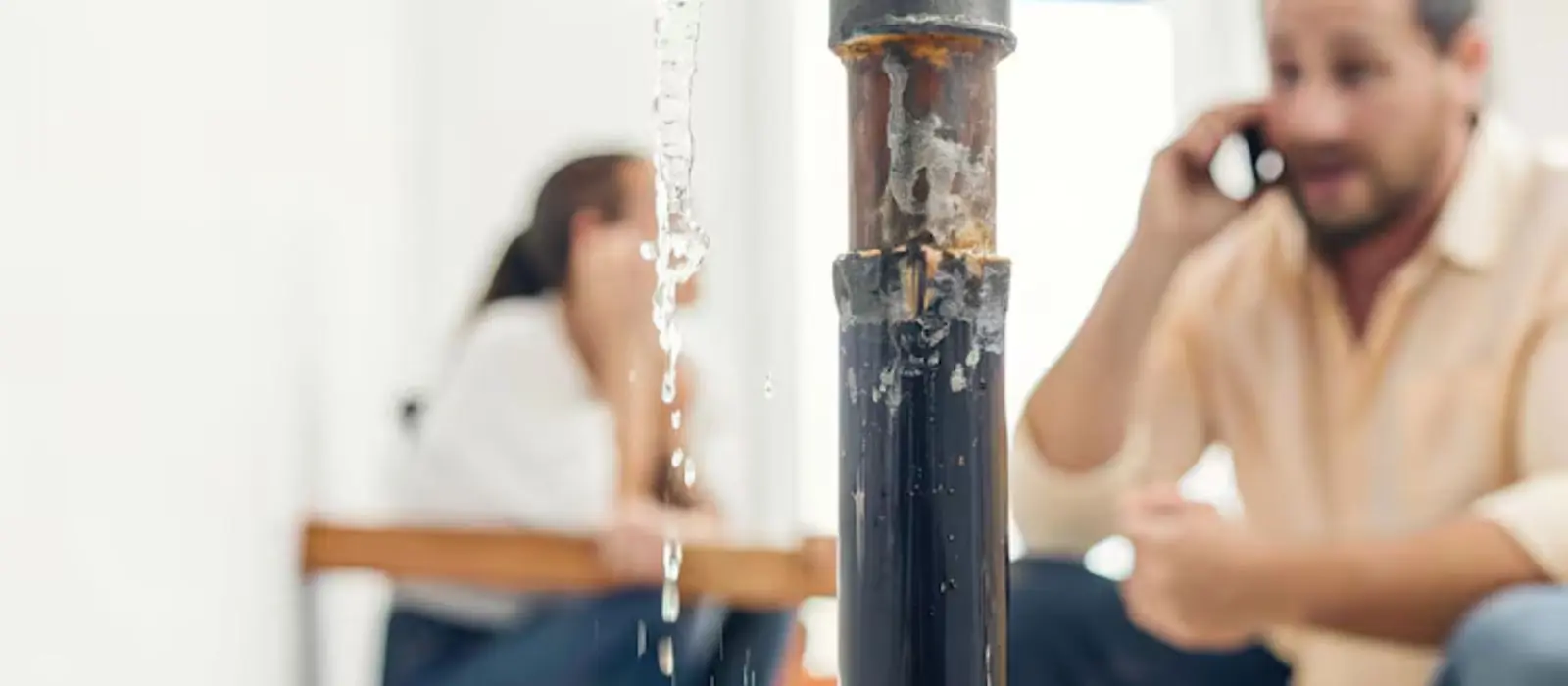
Whether home insurance covers water damage depends on the cause, the policy and the insurer's reading of both. This guide explains the general patterns and what to document in Magna, UT. It is not legal or insurance advice, and your policy language decides.
We do not promise that any claim will be approved. What we can do is document the loss so you and your insurer can see what happened.
The General Rule: Sudden And Accidental
Homeowners policies commonly cover water damage that is sudden and accidental. A supply line that bursts, a water heater that fails or a washing machine hose that splits are typical examples. The damage is covered, in many policies, even when the pipe itself is not.
Gradual damage is treated differently. A slow leak under a sink that went unnoticed for months, rot from repeated seepage and damage from poor maintenance are often excluded.
| Cause | Often covered? | Why |
|---|---|---|
| Burst pipe | Often | Sudden and accidental |
| Appliance failure | Often | Sudden and accidental |
| Slow leak | Often not | Gradual, maintenance-related |
| Rising flood water | Usually not | Needs a separate flood policy |
| Sewer backup | Varies | Often needs an endorsement |
This table shows common patterns only. Your policy decides.
Flood Is A Different Policy
According to the Utah Insurance Department, basic homeowners and renters policies leave out flood losses. Flood coverage is a separate policy, mostly backed by the National Flood Insurance Program, and it usually has a 30-day waiting period, so buying one once a storm is forecast is too late.
Water from internal sources, like a burst pipe, is outside flood coverage, and NFIP sewer backups are covered only if an active surface flood caused them.
Call and describe the loss. Photos, readings and drying logs are kept for your insurer.
What To Document
- Photos and video of every wet area before anything is moved.
- The date and time you found the damage and what you did.
- Receipts for emergency steps, such as a plumber.
- A list of damaged contents with approximate values.
- Moisture readings and drying logs from the restoration crew.
Early mitigation also matters for claims, since policies expect owners to prevent further damage. Water mitigation and water damage cleanup work is the usual way to do that.
Deductibles And Small Losses
Your deductible is the amount you pay before coverage begins, and for a small loss it may be larger than the repair. A leak that costs less than the deductible is usually a self-pay job, and filing a claim for it is rarely worth the cost to your record. Ask your agent how your policy treats small claims.
Policies also differ on whether they pay for the pipe that failed. Many pay for the damage the water did, and not for the plumbing repair itself.
Contents And Living Expenses
Damaged belongings, such as furniture, electronics and clothing, may be treated under a separate part of your policy. Some policies also help with temporary living costs if a home cannot be lived in during repairs. These terms vary widely, so read the section of your policy on personal property and loss of use.
Keep receipts for emergency costs, since a plumber, a hotel night or a replacement item may be part of the claim. We do not state what your policy will pay, only what has been documented.
Questions To Ask Your Insurer
- Is this loss treated as sudden and accidental?
- Does my policy cover the cause, or only the resulting damage?
- Do I have flood or sewer backup coverage?
- What documentation do you need?
- How long do I have to file?
If A Claim Is Denied
Ask for the reason in writing and the policy language it relies on. You can ask for a review, provide more documentation or contact the Utah Insurance Department if you believe the decision was wrong. Keep the readings, photographs and invoices, since those support any appeal. We do not give legal advice, and an attorney can explain your options.
State And County Sources To Check
The Utah Insurance Department's flood FAQ at insurance.utah.gov covers coverage rules, waiting periods and the NFIP claim line, which makes it a good first read before you call your agent.
Flood risk by address can be checked at FEMA's Flood Map Service Center and on the Utah Risk Map, and the county posts its own floodplain map through its emergency management pages.
Working With Your Adjuster
Share the photos and readings, ask for the claim number and ask what the insurer treats as the covered scope. If you disagree, ask for the reason in writing. Do not discard damaged items until the adjuster has seen them or agreed to photographs.
Insurance FAQs
Stop the water first, then call both. Mitigation should not wait for an adjuster, and your policy expects you to limit damage.
Often, if the damage was sudden and accidental, though some policies have conditions about heat in a vacant home. Read your policy.
That varies by insurer. Ask your agent before you file, particularly for small losses near your deductible.
We do not claim direct billing or insurer approval. We document the work so you can submit it.
Insurance rules are the same across West Jordan and Salt Lake City, and the same documentation applies.