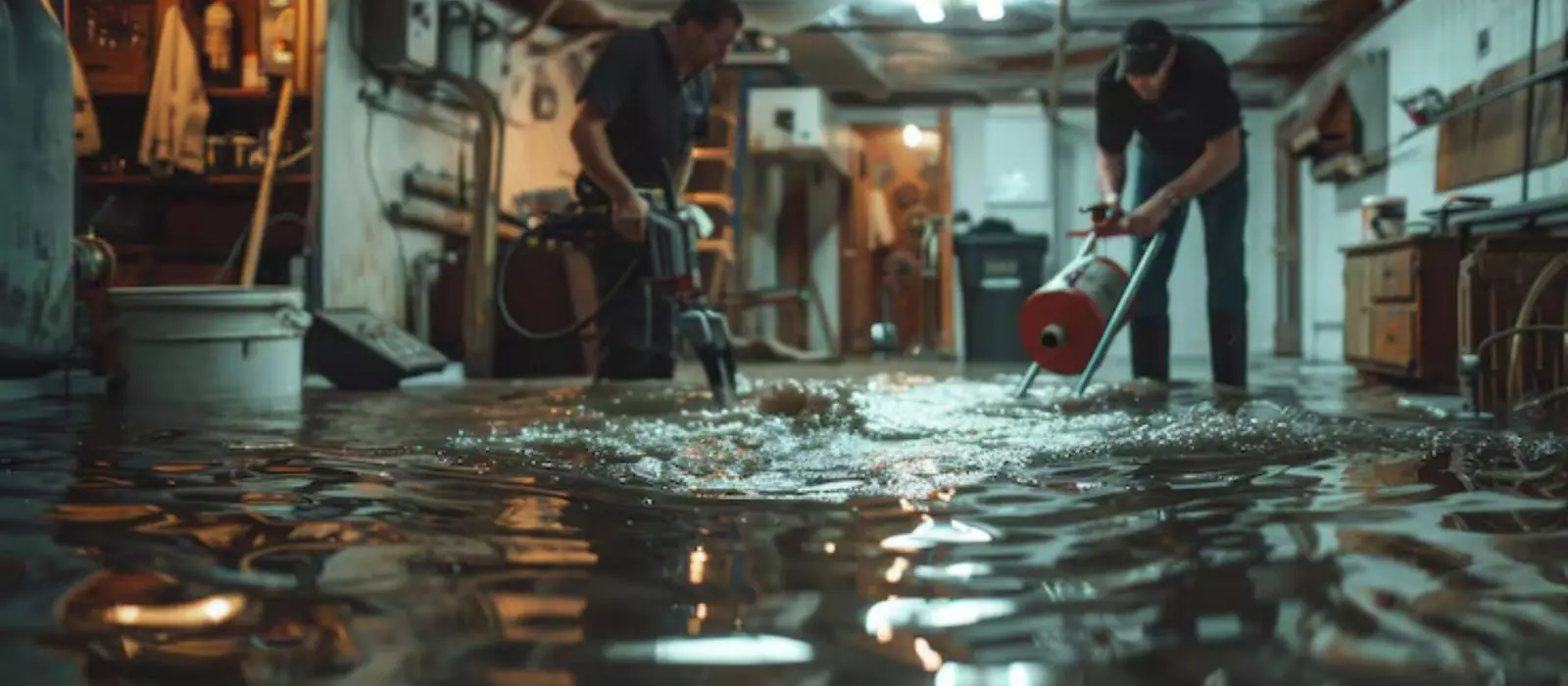
Emergency Water Removal When Water Is Standing
With water standing in a home, safety comes first and Magna dispatch is answered 24/7. Close the main water valve when a pipe is feeding it. Cut breakers to wet areas only if the panel sits on dry ground, and ring the utility or 911 at any hint of an electrical or gas problem.
Keep everyone out of the water, move valuables onto tables or shelves and photograph the room before anything is touched. A crew can often be sent the same day, at any hour.
What Water Extraction Is
Water extraction is the removal of standing and absorbed water using pumps and vacuums. Submersible pumps handle deep water in basements and crawl spaces. Truck-mounted or portable extraction units pull water out of carpet, pad and the surface of wood. Removing the bulk of the water quickly cuts the drying time that follows.
Extraction is the opening step of water mitigation, and after the surface water is gone the crew checks the structure with meters to find what is still wet.
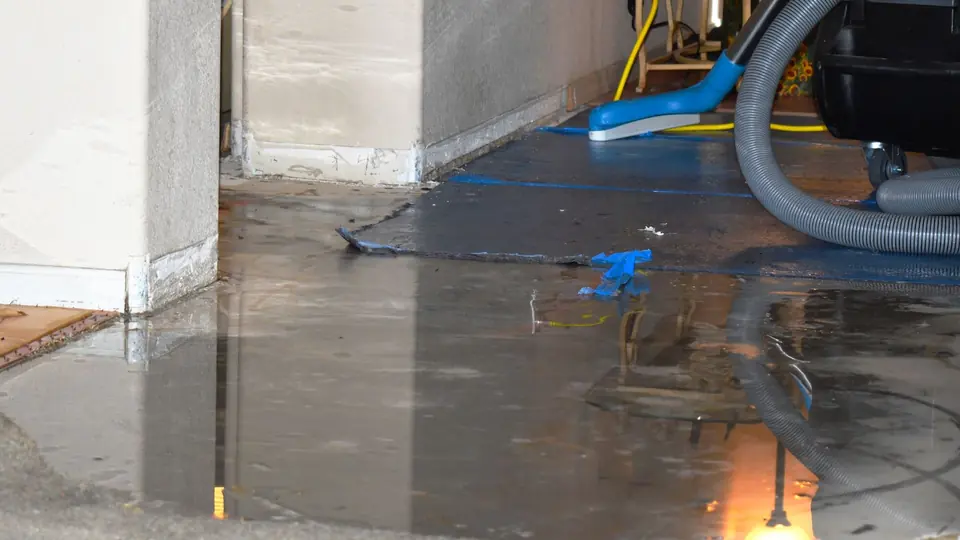
Flooded basement
Water from a failed sump pump, a drain backup or a foundation leak.
Crawl space water
Standing water under a home that rises toward the floor framing.
Flooded room
Overflow from a toilet, tub, washer or water heater across a finished floor.
Wet carpet
Carpet and pad that are saturated and need extraction before drying.
Call the dispatch line and describe how deep it is and where it started.
How Extraction Works
Safety and source
The source is stopped and electrical hazards are checked before the crew enters.
Pump the bulk
Submersible pumps clear deep water. A wet vacuum or extraction unit takes the rest.
Extract absorbed water
Weighted extractors pull water from carpet and pad. Wet pad that cannot be saved is removed.
Measure and plan
Meters mark what is still wet, and the crew sets drying equipment or hands off to cleanup.
Burst Pipe Water Damage
A burst pipe can put hundreds of gallons into a home in an hour. The first step is the main shutoff valve, usually near the water meter or where the line enters the house. Open a low faucet to drain the lines, and photograph the break before anything is repaired.
Winter bursts are common along the Wasatch Front. A line that split overnight in a cold snap may show nothing until the thaw, so water that appears days after a freeze gets the same response and the same call to dispatch.
After extraction, cleanup and drying come next, covered under water damage cleanup. A plumber repairs the pipe itself, and your insurer will want that repair record.
Safety Before Anything Else
- Stay out of standing water near outlets, cords, the panel or appliances.
- Do not use household vacuums or fans that sit in the water.
- If the water looks dark or smells like sewage, treat it as contaminated and keep everyone out.
- Call the utility or 911 for any electrical or gas risk before calling a restoration company.
Crawl Spaces And Older Magna Homes
Older homes near Main Street often sit over crawl spaces or partial basements. Water gathers there unseen and soaks the underside of the floor. A crew uses a pump with a small footprint and then dries the framing and subfloor from below, because drying only from the room above leaves the floor joists wet.
Insurance Notes
A burst pipe is usually handled as a sudden loss under a homeowners policy. Rising water from outside is a different animal, since basic homeowners policies generally exclude flooding according to the Utah Insurance Department. Your insurer can say which applies.
Cost Factors For Water Removal
- Water category and how deep the water is.
- Affected square footage and number of rooms.
- Materials involved, including carpet, pad and framing.
- Drying days and equipment after extraction.
- Rebuild scope that follows.
Call (385) 988-9410 with the depth and the floor area, and the dispatcher can explain how pumping time is priced.
Emergency Water Removal FAQs
Yes. Night and weekend calls follow the same steps as daytime ones. The dispatcher asks where the water is coming from and how deep it is so the right pumps go out. No arrival time is promised.
Anything deeper than a thin film that a wet vacuum cannot handle. A few inches in a basement or crawl space needs submersible pumps, and a flooded room needs an extraction unit to pull water out of carpet and pad.
Not if the water could touch an outlet, an extension cord, the panel or an appliance. Stay out, and call the utility or 911 about any electrical risk before you call a restoration company.
Move valuables up and stop adding water, for example by not running the washer. A crew can pump the basement and dry it. Afterward, ask a plumber to check the pump, the discharge line and the battery backup.
Removing water fast lowers the chance of mold because mold needs moisture to grow. Drying the structure afterward matters just as much. See mold remediation if growth is already visible.
Pumps and extraction crews also work in West Valley City, and the 24/7 line covers the nearby valley.