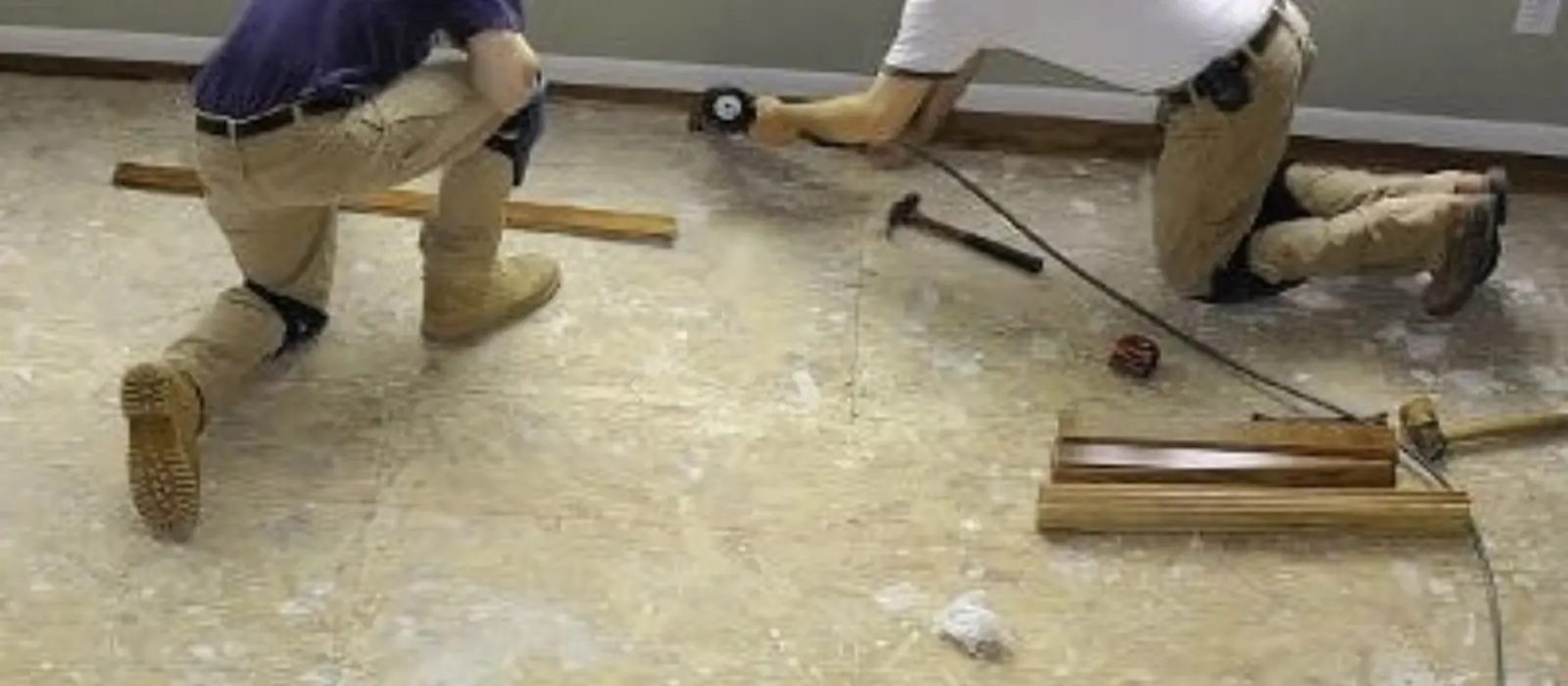
Water Damage Repair After The Water Is Gone
Water damage repair in Magna, UT is the rebuilding stage. It begins after the water has been stopped and the structure has dried, and it covers new drywall, insulation, flooring, trim, cabinets and paint. The goal is a room that looks the way it did before the loss and does not hold hidden moisture.
Many repairs go wrong because they start too early. A wall can look dry while the bottom plate and the insulation inside it are still wet. That is why crews take moisture readings before closing anything up, and why water mitigation comes first on most jobs.
If you are standing in a room that is still wet, start with emergency water removal or call the dispatch line. Repair is the last step, and it works best when the earlier steps were done properly.
What We See Most In Magna Homes
Many Magna homes south and east of Main Street date to the 1970s, and houses of that age often still carry the original water heater, washer hoses and under-sink supply lines. When one of those fails, the water usually runs down through the floor into a finished basement ceiling or a closet wall. Repairs then involve the ceiling below as well as the room where the leak started.
Roof and condensation leaks show up differently. A roof leak stains a ceiling in a ring, and an air conditioner condensate line that backs up leaves a damp patch near the unit. Both can run for weeks before anyone notices, so the repair often includes insulation that has gone flat and matted.
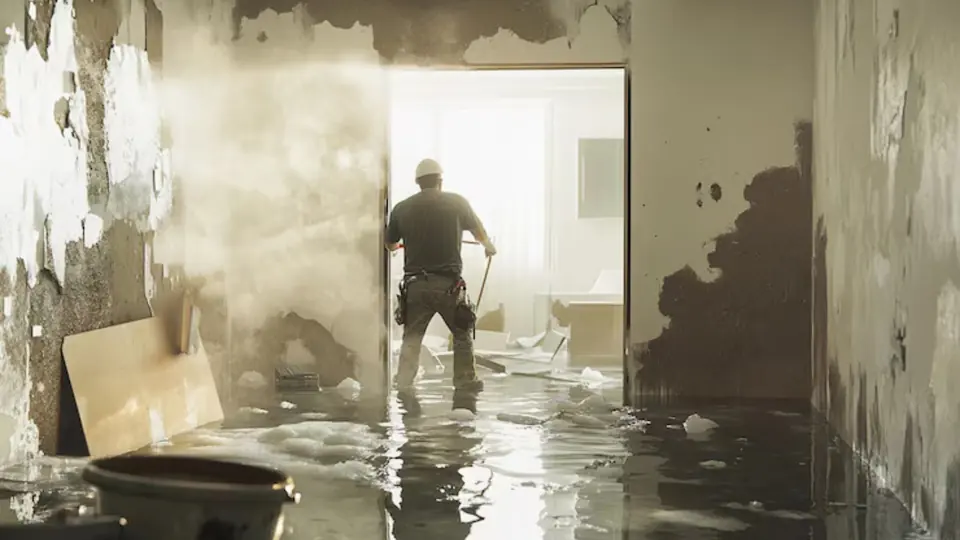
Signs Of Water Damage That Needs Repair
Stains and rings
Brown or yellow rings on a ceiling that grow after rain or after a fixture is used.
Soft or crumbling drywall
Board that gives under a finger or flakes at the paper face has lost its strength.
Bubbling paint and loose tape
Moisture pushes paint off the wall and lifts drywall tape at the seams.
Cupped or buckled floors
Boards that curl at the edges or lift off the subfloor after a wetting.
The dispatcher can explain what repair involves before anyone is sent.
How Repairs Are Planned
A repair starts with a walk-through and a moisture check. Meters read the framing and subfloor, and thermal imaging shows cool, wet areas behind finished surfaces. From that the crew writes a scope: what comes out, what stays, what is replaced and what is only cleaned and sealed.
Scope and price are explained before work starts. The scope also lists the finish work, such as texture, primer, paint and trim, because a patched wall that does not match is the part you will see every day.
| Material | After a wetting | Usual outcome |
|---|---|---|
| Drywall | Soft, stained or sagging | Cut out and replace, then tape, texture and paint |
| Insulation | Matted or wet | Replace, since it will not recover its R-value |
| Hardwood | Cupped but sound | Dry slowly, then sand and refinish if flat |
| Carpet pad | Wet more than a day | Replace, and clean or replace the carpet |
| Cabinet base | Swollen particleboard | Replace the affected sections |
The table shows common outcomes. A crew confirms each material by moisture reading.
Ceiling And Wall Water Damage Repair
A ceiling stain is a symptom, and the cause may be a pipe, a roof, a condensate line or a bathroom above. Find and stop the source first. Then the wet board is cut back past the stain until the edges are dry and firm, the insulation above is checked, and new drywall is hung and finished.
Walls follow the same order. The crew opens the wall at the lowest wet point because water travels down inside the cavity. Cutting a bit larger than the visible stain costs less than reopening a wall later when the paint peels again.
If the leak has been running for more than a few days, mold may be growing on the back of the board. In that case the work shifts to mold remediation before anything is rebuilt.
Hardwood Floor Cupping And Drying
Hardwood takes up moisture from below and swells at the bottom of each board, so the edges rise and the board cups. The cure is slow drying, because forcing heat onto wet boards can split them. A flooring pro or restoration crew reads moisture content and checks the subfloor before deciding what can be sanded and what must be replaced.
Do not sand a floor that still reads wet. The boards will shrink after the sanding and leave gaps and ridges that cost more to fix than the original damage.
Insurance Notes For Repair Work
Repair claims turn on how the water arrived. A burst line is often treated as sudden, a slow seep as maintenance. Check your policy, or ask your insurer where your loss falls, and we keep readings and photos so the repair scope matches what your insurer reviews.
Cost Factors For Repairs
Repair pricing depends on how much needs rebuilding and what the finishes are. We do not post flat prices because they would be wrong for most homes. These factors set the scope.
- Water category, since sewage or flood water means more materials come out.
- Affected square footage across floors, walls and ceilings.
- Materials involved, such as hardwood versus carpet over concrete.
- Drying days and equipment that came before the rebuild.
- Rebuild scope, including texture, paint, trim and cabinets.
To price your own rebuild, call (385) 988-9410. A crew lays out scope and price first, then you decide.
Water Damage Repair FAQs
Repairs start when moisture readings show the framing and subfloor have reached dry standards, not when the surface feels dry. For a small leak that can be a few days. For a flooded basement it can take a week or more. Rebuilding over damp framing traps moisture and invites mold.
Only once the leak is repaired and a meter confirms the area is dry. Paint hides the stain but not a wet board or wet insulation above it. Sagging, bubbling or a soft spot means the drywall should come down, because it will not dry flat again.
Often they do, if the boards are dried slowly and the subfloor is dry before anyone sands. Boards that have crowned, split at the seams or gone black have usually absorbed too much water to save. A crew can read the moisture content and tell you which case you have.
Yes. The scope and price are explained before work starts, so you can compare it against what your insurer approves and decide what to do. Ask your insurer which parts of the loss your policy treats as covered.
No. Water mitigation stops the spread and dries the structure in the first days. Repair rebuilds drywall, flooring, trim and paint afterward. Most losses need both, in that order.
Repairs here are planned around Magna housing and weather, from 1970s homes near Main Street to newer builds toward the foothills. Crews rebuild in West Valley City too, and the line stays open around the clock.