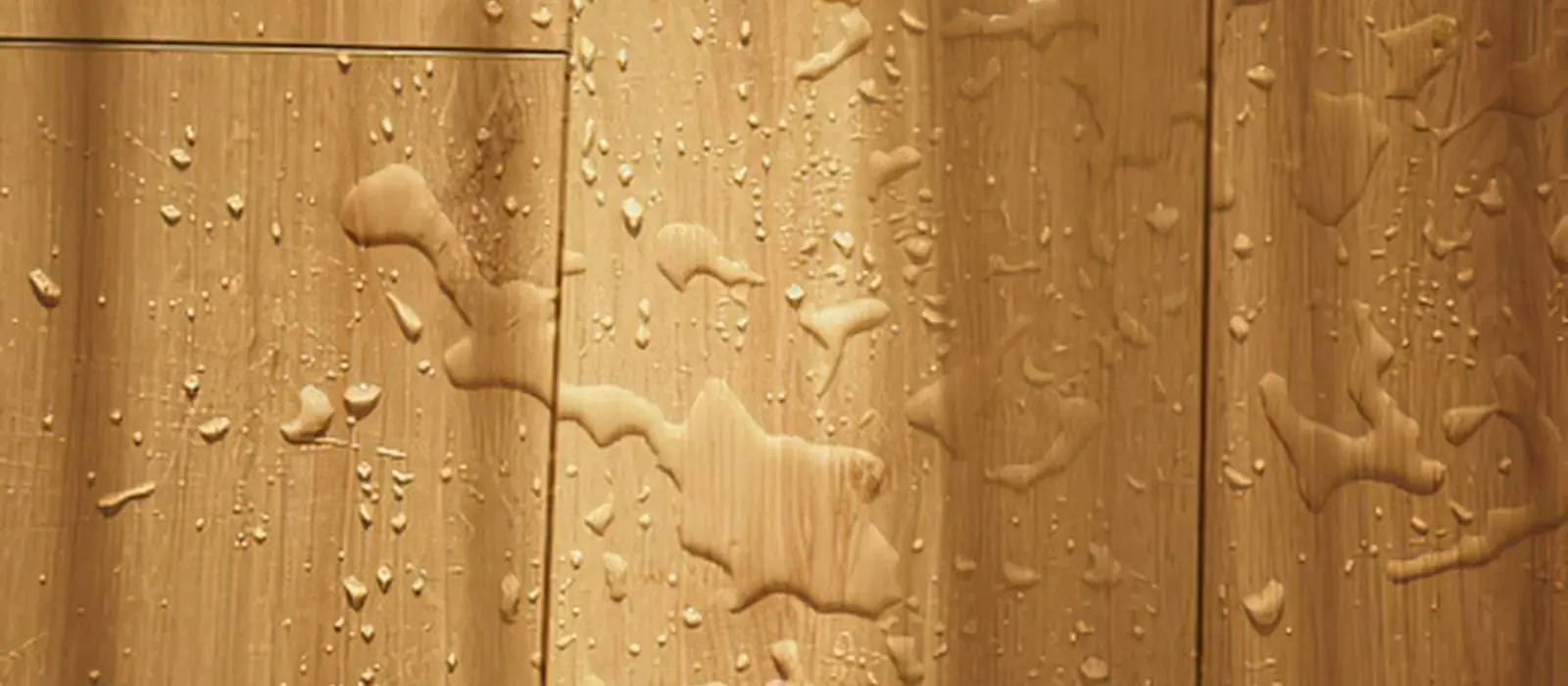
Hardwood floors react to water in a recognizable way. The boards swell and their edges rise, which flooring people call cupping. If the swelling is bigger, the floor can lift, called buckling. Both start the same way, with moisture from below or from a spill that sat for too long.
Whether a floor can be saved depends on how wet it got, how long it stayed wet and how it dries. This guide explains the choices for a Magna, UT home.
Cupping, Crowning And Buckling
Cupping
Edges higher than the center. Common after a leak under the floor or a long-lasting spill.
Crowning
Center higher than the edges. Often shows after cupped boards are sanded too soon.
Buckling
Boards lift off the subfloor. This is the most severe case and often means replacement.
Black staining
Dark spots at seams mean water and growth. Those boards usually come out.
Dry First, Sand Later
The common mistake is sanding a floor that still reads wet. Boards shrink as they dry, and a floor sanded flat while wet can end up with gaps and ridges. The right order is extraction, slow drying with air movers and dehumidifiers, readings that confirm the floor and subfloor are dry, and only then sanding or replacement.
Some floors dry with specialized mats that pull moisture from the surface. A restoration crew can say whether yours qualifies.
Call before sanding or sealing. The dispatcher can explain next steps.
What Can Be Saved
| Condition | Likely outcome |
|---|---|
| Mild cupping after a short, clean-water event | Often flattens when dried slowly, then refinish |
| Cupping from a long-term leak below | Depends on subfloor condition, may need replacement |
| Buckling or detached boards | Usually replace the affected area |
| Floors wet with sewage or flood water | Usually replace, since contamination cannot be cleaned out of wood |
If the water source is still active, begin with emergency water removal or water mitigation. After the structure is dry, the floor repair itself is covered under water damage repair.
How A Crew Dries A Hardwood Floor
Extraction comes first to remove standing water. Then the crew checks moisture content in the boards and the subfloor with a pin or pinless meter. Air movers push dry air across the surface, and dehumidifiers keep the room dry. On some floors, drying mats pull water through the boards.
Drying a floor can take days or a couple of weeks, depending on thickness and species. Rushing it with heat risks splits, so the pace is slow on purpose.
Refinishing After Drying
Once readings are stable and the floor is flat, a flooring contractor can sand and refinish. Wait until the boards have reached the moisture content of the rest of the house. If any boards remain raised, they can be replaced individually and blended into the finish.
Replacement Options
If boards have to go, the choice is to patch a section or replace the whole room. Patching works when the same species and finish are available and the repair can be blended. Replacing a room gives an even look when the floor is old or the damage runs wide.
Engineered and laminate floors are replaced more often than solid hardwood after a soaking, since their layers separate when wet. Ask the flooring contractor which approach suits your floor.
Choosing A Contractor
Ask a flooring contractor how they measure moisture, whether they have worked on water-damaged floors and what they will do if boards cup again. A good answer mentions meters, patience and the subfloor. Ask the restoration crew to share its readings so the flooring contractor can start from the same numbers.
What Not To Do To A Wet Floor
Do not cover wet boards with rugs or plastic, which trap moisture. Do not apply heat guns or high-heat fans. Do not sand until readings say the floor is dry. And do not seal the surface early, since sealer traps the moisture that is still in the wood. Slow, steady drying gives a floor the best chance.
Dry Winters And Wet Floors
Salt Lake City receives about 15.5 inches of precipitation a year on average, and indoor air in winter is often dry. Hardwood naturally shrinks and shows small gaps in winter, then tightens in more humid months. That seasonal movement differs from cupping after a leak, which is local to the wet area.
If gaps appear across the whole floor in January, that is seasonal and usually recovers. If boards near a dishwasher, sink or exterior door are raised, a leak is the more likely cause.
Insurance Notes
A sudden leak that damages hardwood is often covered, and floor replacement is a common line in a claim. Slow leaks under a fixture are often excluded. Photograph the floor and record when you first noticed the change.
Hardwood FAQs
Sometimes. If the floor dries slowly and the moisture source is gone, mild cupping can relax over weeks. Ask for moisture readings.
It depends on the layers. Engineered boards can delaminate when soaked, and water between layers is hard to dry.
Often yes. Removing them lets air reach the edges and helps drying, and they are put back afterward.
For a small, clean spill wiped up quickly, yes. For anything that sat for hours, ask for readings.
Floor drying and repair also happens in West Jordan and Salt Lake City.