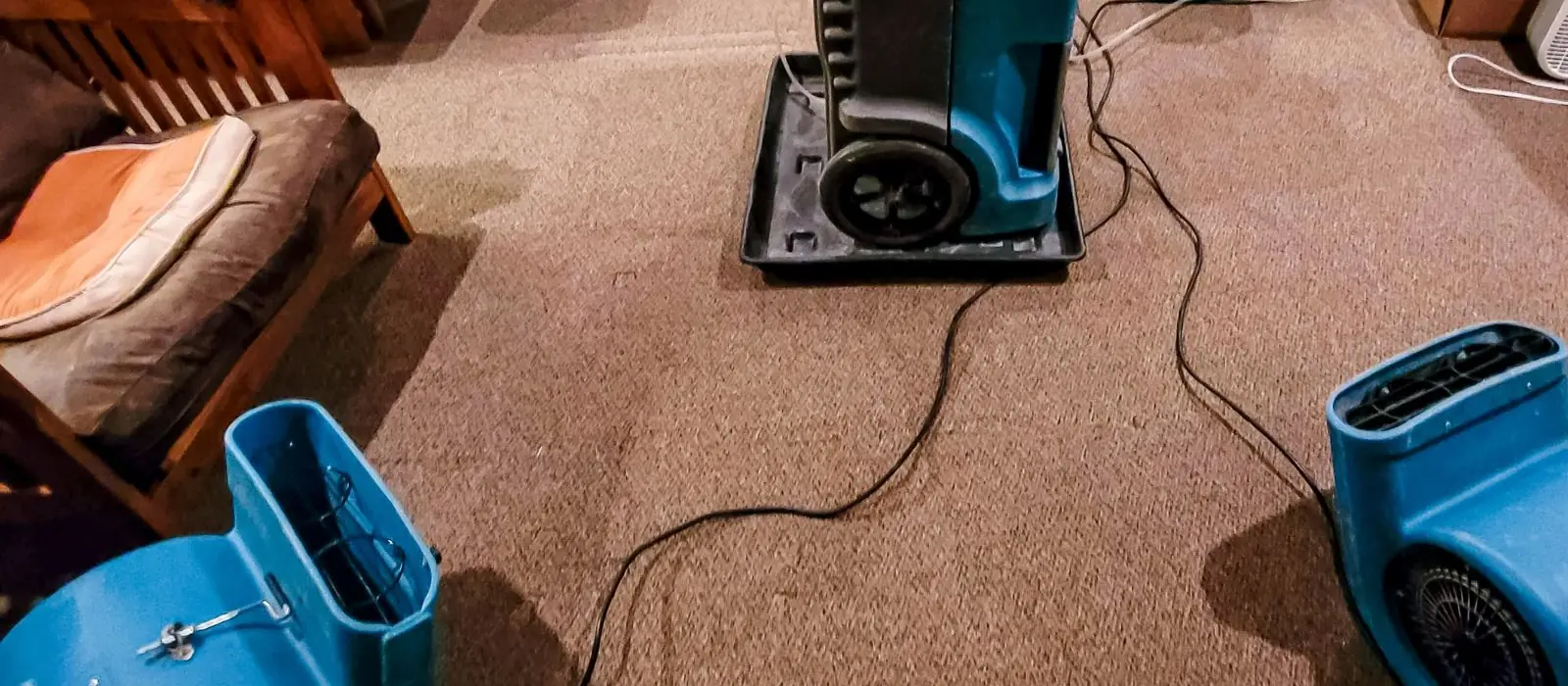
Everyone asks what water damage restoration costs, and an honest answer is that it depends on the loss. A small leak behind one wall is a different job from a flooded basement, and sewage is different from a supply line. In Magna, UT the cost of restoration is built from the same five factors every time, and knowing them makes a quote easier to read.
We do not post flat prices, because they would mislead most homes. Scope and price are explained before work starts, and this guide shows how that scope is built.
The Five Factors
| Factor | What changes the cost |
|---|---|
| Water category | Clean water is simplest. Gray water and sewage need containment and more material removal. |
| Square footage | More wet area means more extraction, more equipment and more labor. |
| Materials | Hardwood, carpet pad, drywall and insulation each have different outcomes. |
| Drying days | Equipment runs until moisture readings reach dry standards. |
| Rebuild scope | Drywall, flooring, cabinets and paint after drying are separate work. |
Why Time Changes The Number
Water gets more expensive the longer it sits. In the first day, drywall and carpet can often be dried. After two or three days, pad and baseboard usually have to come out, and after a week, mold can add a separate job. That is why a quick call tends to lower the final scope.
A leak that runs inside a wall for weeks, such as a slow supply line seep, can look small at the surface and large once the wall is opened.
What A Good Scope Looks Like
- The water category and how it was determined.
- Moisture readings and a map of the affected areas.
- What will be removed, dried or cleaned.
- The equipment list and the expected drying period.
- A clear line between drying work and rebuilding.
The dispatcher can explain how scope and price are set for your situation.
Mitigation Versus Repair
Two phases make up most invoices. The first is water mitigation, which covers extraction, removal of wet materials and drying. The second is water damage repair, which covers the rebuild. Keeping them separate lets you compare quotes and decide what to do with your insurer's approval.
Questions To Ask Before You Agree To Any Work
- Which water category did you find, and how did you measure it?
- Which materials are coming out, and which are being dried in place?
- How many air movers and dehumidifiers are planned, and for how many days?
- What does the quote include for disposal and cleanup of removed materials?
- What is excluded and handled by a separate contractor?
A clear answer to each of these tells you more than a number on a page. A vague answer on equipment or drying days is a reason to ask again, because those two lines drive much of the price.
Small Losses And Large Losses
A small loss, such as a dishwasher leak across part of a kitchen floor, may need only extraction, a few days of drying and a section of baseboard replaced. A large loss, such as a flooded finished basement, involves pumps, removal of carpet and drywall, heavy drying and a full rebuild.
The cost difference is rarely proportional to the visible water. A thin film that crossed three rooms can cost more than a deeper puddle in one, because drying scales with the area of wet material.
If your deductible is close to the expected cost, ask your insurer how a claim would affect your policy before filing, and keep the records either way.
Comparing Two Quotes
Put the quotes side by side and check that both list the same water category, the same rooms and the same materials. Compare equipment counts and drying days, and see which items are listed as separate line items. A lower number that leaves out drying or disposal is not lower. Ask each company to walk through its scope, and pay attention to who explains it clearly.
Who Handles What In Magna
Magna Water District, formed in 1949, now serves more than 9,700 connections with drinking water and sewer. If the failure is on the district's side of the meter, they handle it. If the failure is inside your walls, the restoration crew handles the damage.
Keeping that line clear matters for cost. A water main issue that is not yours should not appear on your restoration scope, and one that is yours should be documented for your insurer.
Insurance And Out-Of-Pocket Costs
Sudden and accidental water damage is often covered, while gradual leaks and neglect often are not. Your deductible is usually yours to pay first. Ask your insurer which parts of the loss they treat as covered, and keep the photos, readings and drying logs the crew provides.
Cost FAQs
Square footage is one factor, not the whole price. Material removal, equipment time and rebuild scope all change the total.
The factors are the same, and the local difference is mostly housing. Older homes may need more careful drywall and plaster work than newer ones.
You can, if you want. Ask the crew for moisture readings that show the structure is dry first, since rebuilding over damp framing causes more damage.
It can. Conditions inside walls are sometimes worse than they looked, and the crew explains the change before continuing.
Nearby, the same factors apply in Salt Lake City and West Valley City.