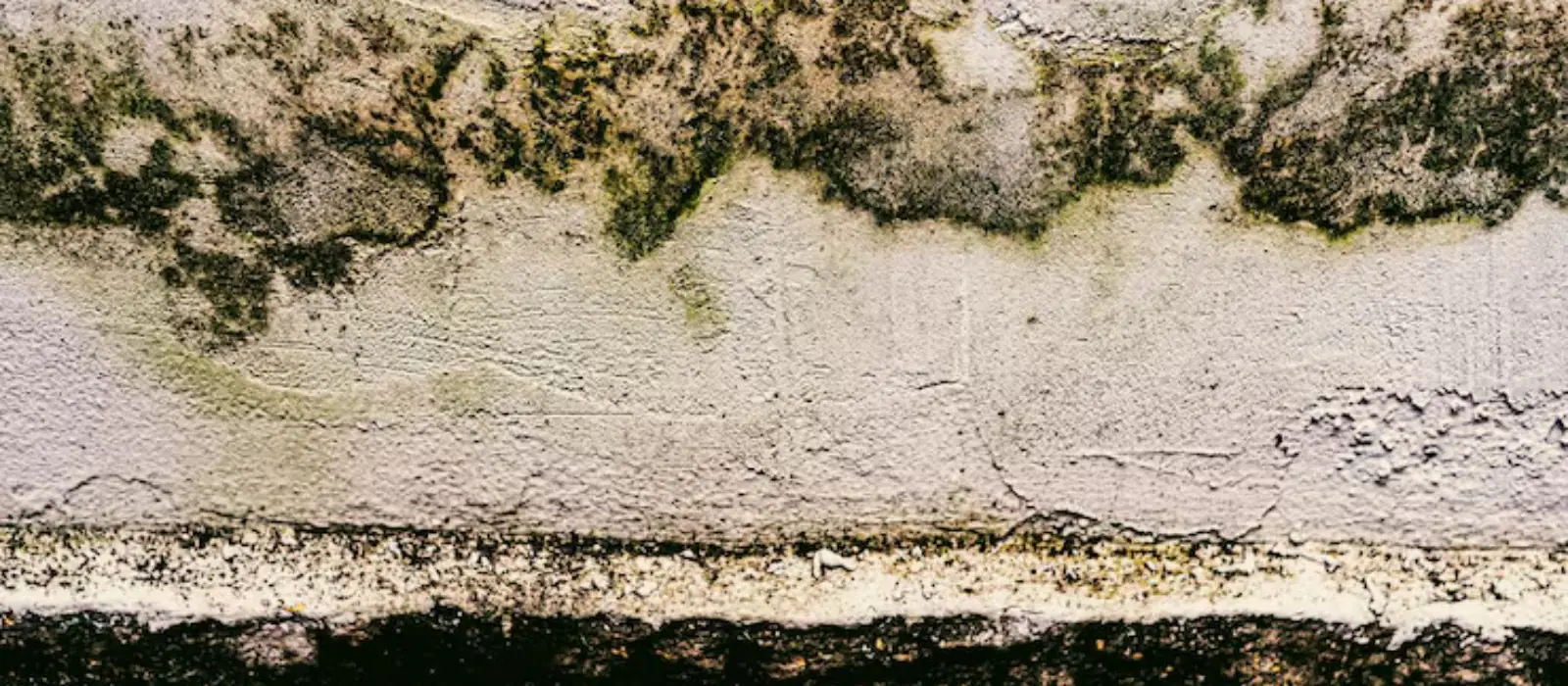
Mold and mildew are often used as one word, and the difference is partly practical. Mildew is a surface growth, usually flat and powdery, that sits on top of materials like shower walls and window sills. Mold is a broader term for fungal growth that can penetrate drywall, wood and fabric.
For a Magna, UT homeowner, the question is how deep it goes and what is feeding it.
How To Tell Them Apart
| Feature | Mildew | Mold |
|---|---|---|
| Look | Flat, powdery or downy, often white, gray or yellow | Fuzzy, slimy or speckled, in many colors |
| Where | Surfaces, such as tile and window sills | Surfaces and inside porous materials |
| Cleaning | Often wipes off with detergent | May require material removal |
| Cause | Humidity and condensation | Persistent moisture or water damage |
Only a lab can identify a species, so use this table as a rough guide.
Removing Mildew On Hard Surfaces
Wipe the surface with detergent and water, scrub gently and dry completely. Wear gloves and eye protection. Improve ventilation, run a dehumidifier in damp rooms and clean regularly. If it comes back after a thorough cleaning, something is still feeding it.
Removing Mold From Porous Materials
Porous materials do not clean well. Drywall, carpet, ceiling tile and insulation that hold growth are usually cut out or pulled up. A crew does this inside containment to keep spores out of the rest of the house, then cleans surrounding surfaces with HEPA vacuums and damp wiping.
Ask whether crews work to ANSI/IICRC S520, the published standard for mold remediation. Details of the process are on the mold remediation page.
Call and describe where it is and how it looks.
Moisture Is The Real Target
- Find leaks and fix them.
- Reduce indoor humidity.
- Dry any wet materials quickly.
- Improve airflow in closets and corners.
- Keep gutters and grading working outside.
After a flood or leak, drying quickly through water mitigation is the best prevention. If drywall has been affected, rebuilding follows under water damage repair.
Where They Show Up In A House
Windows
Condensation on cold glass in winter feeds growth on sills and frames.
Closets
Stored items against exterior walls block airflow.
Laundry areas
Washers and dryers add humidity and dampness.
Crawl spaces
Dirt floors and poor ventilation hold moisture under the home.
Cleaning Supplies That Make Sense
Detergent and water handle most surface growth on hard materials. Rubbing alcohol works on small spots, and a HEPA vacuum collects dry debris. Avoid mixing cleaners, especially bleach and ammonia, which makes a dangerous gas. Dispose of used cloths in a sealed bag.
Do not paint over growth. Paint hides it for a time while the moisture continues.
When To Call A Crew
- Growth covers more than a small patch or keeps returning.
- Drywall, ceiling tile or insulation is affected.
- A leak or flood came first.
- Someone in the home has asked a physician about indoor air.
- A buyer, lender or landlord needs documentation.
A crew works inside containment so the rest of the house stays clean, and can arrange independent testing when you need documentation.
A Short Prevention Routine
Check windows in winter for condensation and wipe sills. Run bathroom fans after showers. Keep closets from being packed tight against exterior walls. Vent the dryer outside. Look under sinks every few months, and clean gutters in fall. These small habits cut the moisture that every kind of growth depends on, and they cost less than a single cleaning service.
Seasonal Habits
Late winter and spring are common times for growth in Utah homes, when heating dries the air but showers, laundry and cooking add moisture. Wipe condensation from windows in the morning, and let the house air out on dry days. In summer, check air conditioner drain lines for slow drips, since a clogged line can wet a ceiling or wall for weeks.
Questions To Ask A Company
- Do your crews work to ANSI/IICRC S520?
- How will you contain the work area?
- What will you do about the moisture source?
- Will an independent tester check the area afterward?
- What is in the written scope, and what is left out?
A clear, specific answer to each is a better sign than a polished page.
Older Magna Buildings And Dampness
Magna's Main Street includes older brick buildings, and local histories describe 1970s homes south and east of the historic center. Older foundations and original plumbing can hold moisture in crawl spaces and cold corners, where mildew then forms on stored items and walls.
A crawl space with a dirt floor can add humidity to the house above. A vapor barrier and good drainage help, and a drainage contractor can advise on grading.
Insurance And Records
Keep photographs, readings and invoices. Coverage for mold depends on the policy and the cause. Ask your insurer.
Mold And Mildew FAQs
It is easier to clean because it sits on surfaces, but both signal moisture.
Bleach is not reliable on porous materials. Detergent and drying work on hard surfaces, and porous materials with growth are removed.
Testing helps for hidden growth or documentation. Visible growth tied to a known leak may not need it.
Poor airflow against a cold exterior wall plus stored items. Pull items from the wall and run a dehumidifier.
Crews also serve West Valley City and Salt Lake City.