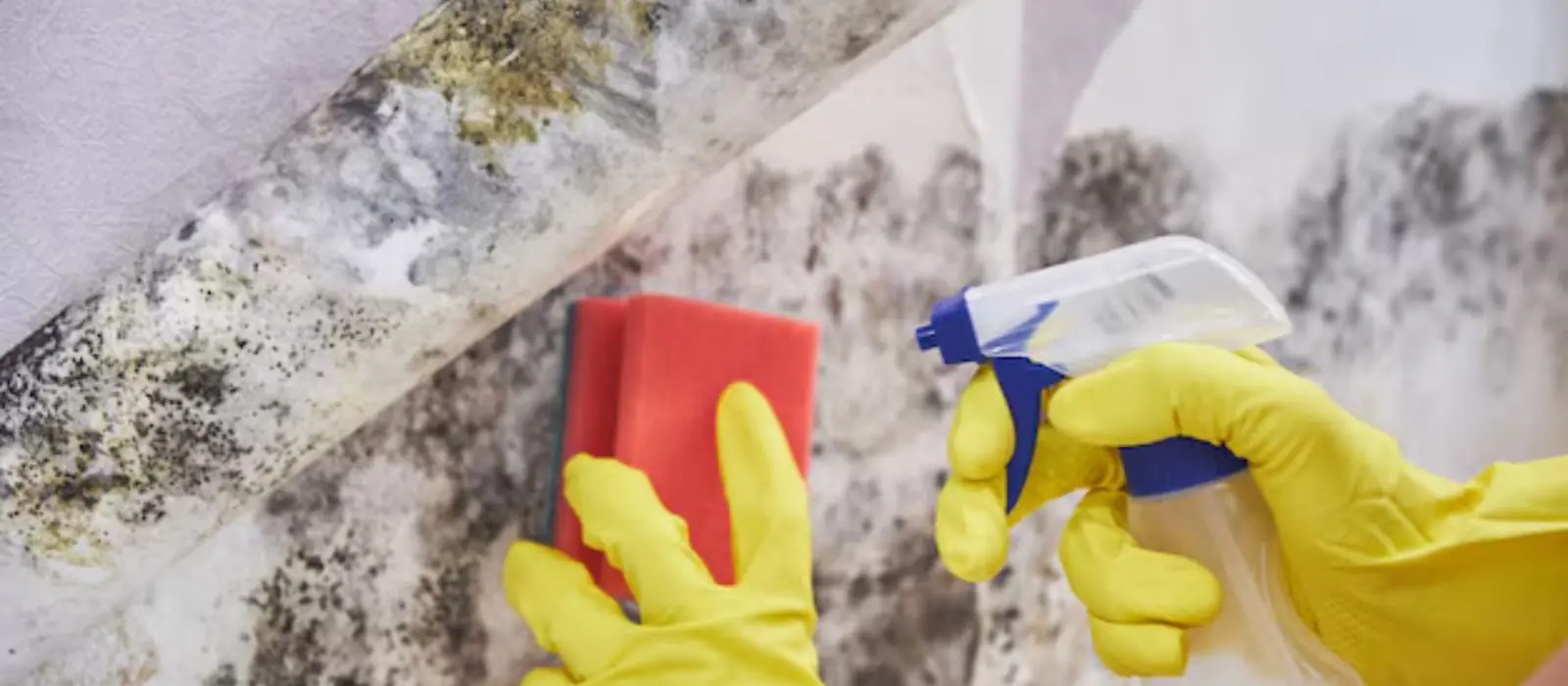
Shower mold is common, and cleaning it is usually a manageable job. The trick is using the right method for each surface and knowing when the problem is bigger than the surface. This guide covers the steps for a Magna, UT shower and the signs it is time to stop scrubbing.
It is about cleaning the building. It does not give health advice, and a physician is the right contact for any health concern.
What You Need
- Rubber gloves, eye protection and a respirator rated for the cleaner.
- Detergent, a soft brush and a stiff grout brush.
- Microfiber cloths and a squeegee.
- A fan or dehumidifier for drying.
- A utility knife and silicone caulk for caulk replacement.
Step By Step
Ventilate
Run the fan and open the door. Do not mix cleaners, especially bleach and ammonia.
Clean surfaces
Scrub tile, glass and curtain liner with detergent, then rinse well.
Treat grout and caulk
Scrub grout with a stiff brush. Cut out caulk with growth and let the joint dry.
Dry and reseal
Dry the area fully, apply new caulk and seal grout if needed.
Call and describe where it shows. A moisture reading can tell whether the wall is wet.
When The Wall Behind Is The Problem
If growth returns within days, grout crumbles, tile is loose or the wall feels soft, water is getting behind the surface. A failed waterproofing layer, a leaking valve or a cracked pipe can wet the wall for months. A crew can take moisture readings and tell you whether the cavity is wet.
In that case the sequence is stop the leak, dry the wall and remove affected board, which is covered under water mitigation and mold remediation.
| Sign | What it points to |
|---|---|
| Growth returns in a few days | Moisture still present |
| Soft drywall outside the shower | Water behind the wall |
| Stains on the ceiling below | Leak at the shower pan or drain |
| Loose or hollow tile | Wet substrate behind the tile |
Choosing Cleaners
Plain dish detergent and warm water remove most shower growth. A diluted white vinegar solution works on soap scum and light spots. Commercial mold and mildew cleaners are an option, so follow the label, ventilate well and rinse thoroughly. Never mix products.
Avoid abrasive pads on acrylic tubs, since scratches hold dirt and growth.
Grout Sealing
Cement grout is porous and absorbs water. After cleaning and drying, a penetrating grout sealer slows staining and growth. Apply it according to the label, and reapply once or twice a year in heavy-use showers.
Curtains, Doors And Fixtures
Wash fabric curtains in a hot cycle and replace plastic liners that are stained beyond cleaning. Remove the showerhead and soak it if it is clogged with scale. Track the glass door rails with a small brush, since water sits in them. A clean shower holds up best when it dries between uses.
Tools You Probably Already Own
Most of what you need is already in a kitchen or utility closet. Dish soap, an old toothbrush, a spray bottle, rubber gloves and a few rags handle most showers. A putty knife and a utility knife take out old caulk, and a hair dryer speeds drying before recaulking.
The only special item worth buying is a respirator that fits well, if you will be scrubbing in a small room.
Safety In A Small Room
Open the door and run the fan. Take breaks if the cleaner has a strong smell, and keep pets and children out of the bathroom until it has aired out. Never combine cleaners. If you feel dizzy or your eyes sting, stop, get fresh air and rinse the area with plain water before you try again.
Fiberglass, Tile And Stone
Fiberglass and acrylic need gentle cleaners and soft cloths. Ceramic tile tolerates stiffer brushes, though the grout is the weak point. Natural stone, such as marble, can etch with acidic cleaners like vinegar, so use a stone-safe cleaner. Check the manufacturer's instructions before you pick a product, especially for a newer shower.
Drains, Sewer And The District
Magna Water District provides sewer service for much of Magna. A shower that drains slowly and smells can point to a clog in the house line, and a recurring backup that affects other drains may be a main line issue to report to the district.
A slow drain keeps water in the pan, which feeds growth. Fix drain problems before repeating the cleaning.
Preventing Regrowth
- Squeegee walls and doors after showers.
- Run the fan for 20 minutes after.
- Hang the curtain open to dry.
- Replace caulk that is cracked or stained.
- Repair drips from the valve and spout.
Small cleanup is yours to do. For wall damage, the rebuild follows under water damage repair.
Shower Mold FAQs
It can lighten surface spots but is not reliable on porous materials, and it must never be mixed with ammonia or other cleaners.
Weekly wiping and a monthly scrub keep most showers clear if ventilation is good.
Wash it or replace it. Liners are cheap, and growth in fabric is hard to remove.
Not usually. If the patch is small, on a hard surface and not returning, cleaning is reasonable.
Shower wall problems are handled in West Jordan and Salt Lake City as well.